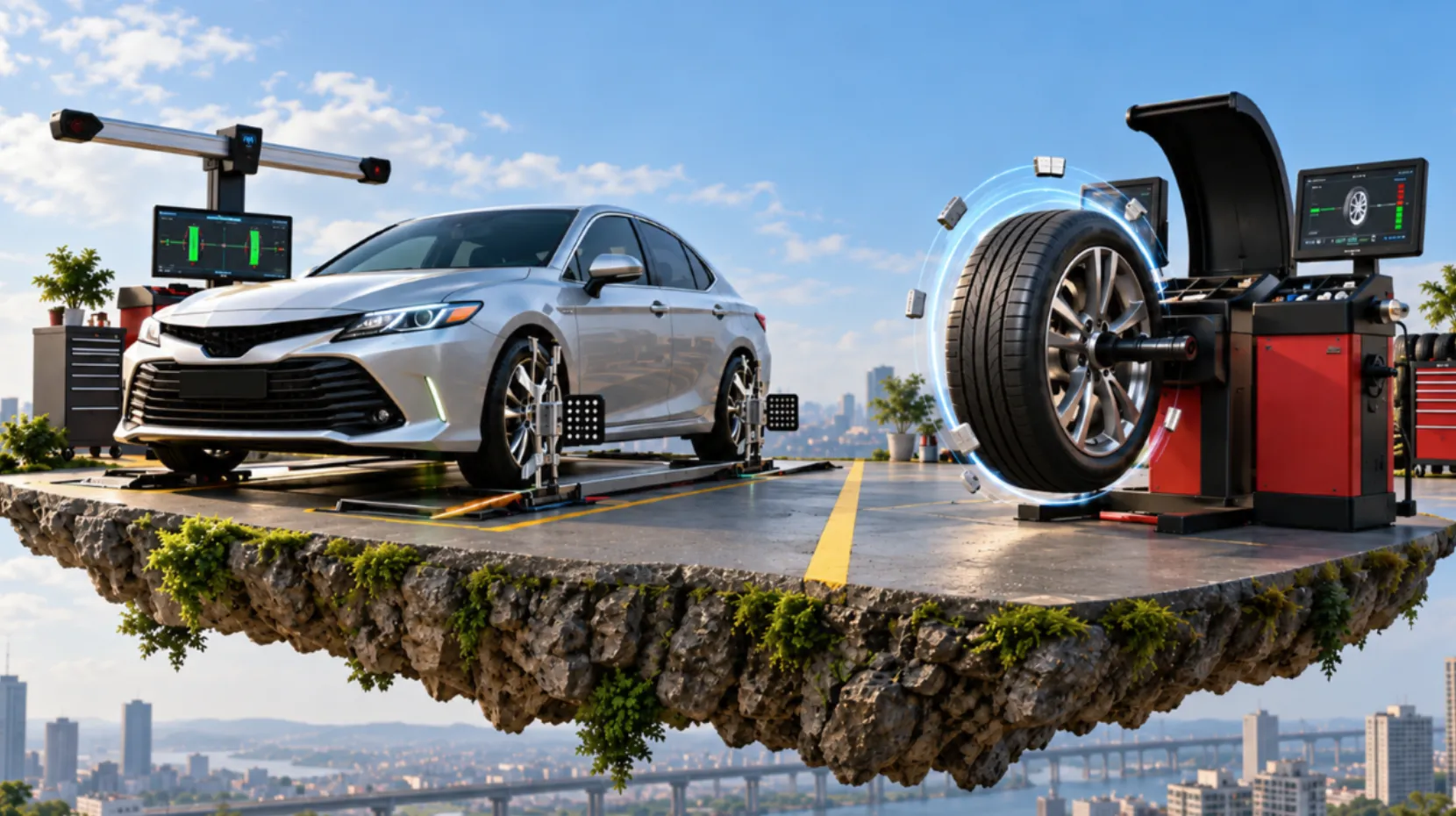
Have you ever noticed that your car vibrates at high speed, even though it feels completely normal while driving slowly? High-speed vibrations are fairly common, but they should not be ignored. They can be caused by something as simple as incorrect tyre pressure or wheel balancing, or they may point to a problem with the suspension, tyres, brakes or wheel alignment.
Understanding the possible causes of car vibration can help you identify the problem early and get it checked before it affects your driving experience or vehicle safety.
Why Does Your Car Vibrate High Speeds?
When a car moves faster, its wheels rotate at a much higher speed. Even a small imbalance, uneven tyre or alignment issue can become more noticeable as speed increases.
If your car vibrates at high speed, pay attention to where you feel the vibration. A vibration mainly felt through the steering wheel may point towards the front wheels or steering components. If you feel it through the seats or floor, the issue may be related to the rear wheels, tyres or suspension.
The timing of the vibration also matters. If it appears only at certain speeds, wheel balancing, tyre problems or wheel alignment are some of the areas worth checking.
Common Causes of Car Vibration at High Speeds
There are several reasons why you may experience car vibration while driving fast. Common causes include:
- Incorrect wheel balancing
- Poor wheel alignment
- Uneven or damaged tyres
- Incorrect tyre pressure
- Uneven tyre wear
- Worn suspension components
- Brake-related problems
- Problems with steering or wheel components
Identifying the exact cause is important because different problems can produce similar symptoms.
How Wheel Balancing Can Cause High-Speed Vibrations
Wheel balancing helps ensure that the weight of a wheel and tyre is distributed evenly around the axle. If the wheel is not properly balanced, it can create an uneven rotational force.
This may not be obvious at lower speeds, but as the speed increases, the vibration can become much more noticeable. You may feel the car vibration through the steering wheel, seat, or floor.
If your car vibrates at high speed, particularly after fitting new tyres, repairing a puncture or removing and refitting a wheel, getting the wheel balance checked can be a useful first step.
Regular wheel balancing can also help promote even tyre wear and a smoother driving experience.
Can Wheel Alignment Cause Car Vibration?
Yes, incorrect wheel alignment can contribute to uneven tyre wear, pulling to one side and an unstable or uncomfortable driving experience.
Wheel alignment refers to adjusting the angles of the wheels, so they sit correctly in relation to the road and each other. When these angles are incorrect, the tyres may not make proper contact with the road.
While poor wheel alignment does not always directly cause high-speed vibration, it can contribute to tyre wear that eventually leads to car vibration.
If your car pulls to one side, your steering wheel is not centred when driving straight, or your tyres are wearing unevenly, it may be time to have the wheel alignment checked.
How Tyre Problems Can Cause Car Vibrations
Your tyres are one of the first things to check when your car vibrates at high speed. Problems such as uneven wear, bulges, cracks or a damaged tyre can affect how smoothly the wheel rotates.
Incorrect tyre pressure can also affect the way your car feels on the road. Both underinflation and overinflation can affect handling and tyre wear.
Uneven tyre wear is another common reason for car vibration. If one part of the tyre has worn more than another, it may not rotate smoothly at higher speeds.
Check your tyre pressure regularly and inspect the tyres for visible damage. If you notice unusual wear patterns, have the tyres and wheels inspected by a professional.
Can Suspension Problems Cause High-Speed Vibrations?
Your suspension system helps keep the tyres in contact with the road and absorbs bumps and movement. Worn suspension components can affect how the vehicle handles and may contribute to vibrations.
Components such as shock absorbers, struts, bushes, and other suspension parts can be worn over time. If they are damaged or worn, you may notice increased bouncing, uneven tyre wear or car vibration.
If the vibration is accompanied by unusual noises, poor handling or excessive bouncing, have the suspension inspected rather than assuming the problem is simply wheel balancing.
Can Brake Problems Cause Steering Vibration?
Brake-related issues can also cause vibration, particularly when you apply the brakes.
If the steering wheel shakes or you experience steering vibration mainly while braking from higher speeds, the brake discs or other braking components may need to be inspected.
This type of steering vibration is different from a vibration that happens consistently while cruising. Paying attention to when the vibration occurs can help a technician identify the source more quickly.
Never ignore strong vibration while braking. Your braking system is a critical safety component and should be checked if you notice unusual behaviour.
How to Fix Car Vibration at High Speeds
The right solution depends on what is causing the car vibration. A professional inspection may include:
- Checking and correcting wheel balance
- Inspecting tyres for damage and uneven wear
- Checking tyre pressure
- Performing wheel alignment
- Inspecting suspension components
- Checking steering components
- Inspecting the braking system
Avoid replacing parts without identifying the actual cause. For example, if your car vibrates at high speed because of wheel imbalance, changing suspension components may not solve the problem.
When Should You Get Your Car Checked?
You should get your car checked if the vibration is new, becomes stronger over time, or occurs consistently at certain speeds.
A sudden car vibration after hitting a pothole, kerb or other road obstacle should also be inspected. These impacts can affect wheel balance, tyres, wheel alignment, or suspension components.
Similarly, if your steering vibration is accompanied by difficulty controlling the vehicle, unusual noises or braking problems, get the vehicle inspected as soon as possible.
Regular tyre checks, wheel balancing, and wheel alignment can also help identify potential issues before they become more noticeable.
Conclusion
If your car vibrates at high speed, there can be several possible causes, ranging from wheel balancing and tyre pressure to wheel alignment, suspension or brake problems.
Along with these checks, maintaining your car’s fuel system is also an important part of regular vehicle care. Milex fuel additives can support fuel-system cleanliness and efficient engine operation, making them a useful addition to your routine vehicle maintenance.
The important thing is not to ignore recurring car vibration. Pay attention to when it happens, where you feel it, and whether it changes while braking or accelerating. Regular maintenance, correct tyre pressure, timely wheel balancing, and proper wheel alignment can all contribute to a smoother drive.
FAQs
Why does my car vibrate at high speeds?
Your car vibrates at high speed for several possible reasons, including wheel imbalance, incorrect wheel alignment, uneven tyre wear, incorrect tyre pressure, suspension problems or damaged components. A professional inspection can help identify the exact cause.
Why does my car vibrate when driving fast?
A car vibrates at high speed because problems that may not be noticeable at lower speeds can become more pronounced as the wheels rotate faster. Wheel balancing, tyres and wheel alignment are some of the common areas to check.
Can wheel balancing cause car vibration?
Yes. Incorrect wheel balancing can cause car vibration, especially at higher speeds. Rebalancing the wheels can often resolve vibrations caused by uneven weight distribution.
Can wheel alignment cause vibration?
Incorrect wheel alignment can contribute to uneven tyre wear, which may eventually cause vibration. However, high-speed vibration can have several other causes, so the complete wheel and tyre setup should be inspected.
Why does my steering wheel vibrate at high speed?
If your steering vibration becomes noticeable at higher speeds, possible causes include wheel imbalance, tyre problems or issues with the front suspension or steering components. If it happens mainly while braking, the braking system should also be checked.
Can tyre pressure cause car vibration?
Yes. Incorrect tyre pressure can affect handling, tyre wear, and driving comfort and may contribute to car vibration. Check your tyre pressure regularly according to your vehicle manufacturer’s recommended levels.
Can uneven tyre wear cause vibrations?
Yes. Uneven tyre wear can prevent a tyre from rotating smoothly and may cause car vibration, particularly at higher speeds. Uneven wear can also indicate an underlying issue with wheel balancing, wheel alignment, or suspension.
Can suspension problems cause high-speed vibration?
Yes. Worn or damaged suspension components can affect how the tyres remain in contact with the road and may contribute to car vibration. If the vibration occurs alongside unusual noises, bouncing or handling changes, have the suspension inspected.