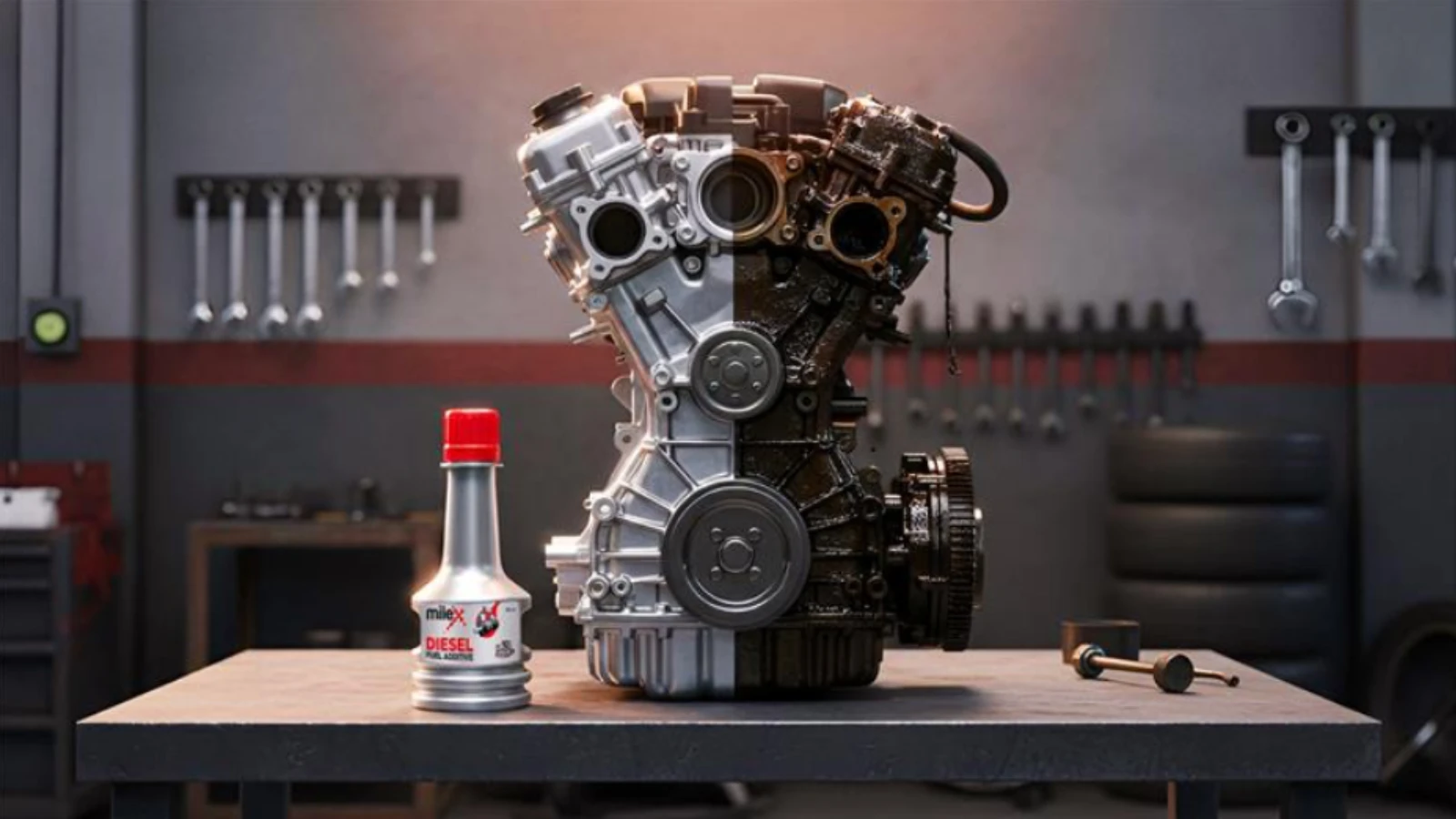
Modern engines are smarter, cleaner, and more efficient than ever. Yet, even with all that engineering brilliance, one stubborn issue keeps showing up over time: carbon build-up. If you drive daily—whether it’s a petrol hatchback or a diesel SUV—you’ve probably heard two competing solutions thrown around. One promises a quick, workshop-based fix. The other works quietly with every drive. So which one actually works: fuel additives or engine decarbonisation services?
Let’s break it down, without jargon, scare tactics, or exaggerated claims.
What causes carbon build-up in modern car engines
Carbon deposits are an unfortunate by-product of combustion. Every time fuel burns, tiny residues are left behind. Over thousands of kilometres, these residues collect on injectors, intake valves, pistons, and combustion chambers.
Modern engines, especially direct injection petrol engines and newer diesels, are more prone to this. They run hotter, recycle exhaust gases for emissions control, and often spend a lot of time in stop-start traffic. Short trips, idling, inconsistent fuel quality, and delayed maintenance only speed things up. Over time, this build-up can lead to rough idling, reduced fuel efficiency, sluggish acceleration, and higher emissions.
Carbon build-up isn’t a sign of a “bad” engine. It’s simply a reality of how today’s engines operate.
What is engine decarbonisation and how it works
Engine decarbonisation services are typically performed at a workshop. Depending on the method, technicians may use chemical sprays, hydrogen-based cleaning machines, or intake cleaning tools to break down carbon deposits inside the engine.
The appeal is obvious. It’s fast, feels thorough, and promises immediate results. For engines with heavy, long-neglected carbon accumulation, decarbonisation can help restore some lost performance. However, it’s important to understand what it is—and what it isn’t.
Decarbonisation is corrective, not preventative. It addresses existing build-up but does little to stop carbon from forming again once you drive out of the workshop.
How fuel additives clean the fuel system over time
Fuel additives take a quieter, more gradual approach. A quality fuel system cleaner works with your fuel as you drive, cleaning injectors, intake components, and combustion chambers over time.
Instead of stripping deposits in one session, additives dissolve and control carbon formation consistently. This keeps injectors spraying properly, supports efficient combustion, and helps the engine stay closer to its intended performance levels.
Many drivers ask, how often should fuel system cleaners be used? For most daily-driven cars, using a cleaner periodically—such as every few thousand kilometres or at regular service intervals—is enough to maintain cleanliness without overdoing it.
The best fuel injector cleaner isn’t about instant drama. It’s about consistency, prevention, and long-term engine health.
Fuel injector cleaners vs full decarbonisation services
This is where the comparison really matters. Fuel injector cleaners focus on maintaining cleanliness before problems escalate. Decarbonisation services step in once issues are already noticeable.
Think of it like oral health. Daily brushing prevents plaque. A deep dental clean fixes years of neglect. Both have their place, but one is clearly easier, cheaper, and more comfortable in the long run.
Can fuel additives prevent the need for decarbonisation? In many cases, yes. Regular use of a reliable fuel system cleaner can significantly reduce the likelihood of heavy carbon build-up, delaying or even eliminating the need for aggressive cleaning services.
Cost, frequency, and convenience: a practical comparison
Professional engine decarbonisation isn’t cheap. It’s usually a one-time service that may be recommended every 20,000–40,000 kilometres, depending on driving habits and engine type. It also requires booking time at a workshop.
Fuel additives, on the other hand, cost far less and fit seamlessly into your routine. You add them to your tank and drive as usual. Over time, this approach often works out to be more economical, especially when weighed against potential fuel savings and smoother engine performance.
Many drivers also ask about fuel stabilizers. Do fuel stabilizers help reduce carbon deposits? Indirectly, yes. A good fuel stabilizer keeps fuel fresh and combustion consistent, which supports cleaner burning and helps limit deposit formation—particularly for vehicles that aren’t driven daily.
Which option is better for daily-driven petrol & diesel cars
For most daily-driven vehicles, prevention beats correction. Regular use of fuel additives keeps the engine cleaner, supports injectors, and maintains efficiency without downtime or high costs.
Is engine decarbonisation safe for all engines? When done correctly, it’s generally safe, but it’s not always necessary—especially for well-maintained cars. Is professional decarbonisation required for new cars? In most cases, no. New engines benefit far more from early preventative care than from aggressive cleaning methods.
That’s where a balanced approach makes sense. Use fuel additives as your first line of defence. Reserve decarbonisation services for situations where performance issues have already set in.
For drivers who want a practical, everyday solution, Milex fuel additives are designed to work quietly in the background—cleaning, protecting, and supporting your engine with every drive. Instead of waiting for carbon build-up to become a problem, Milex helps you stay ahead of it, kilometre after kilometre.
Because the best fix is often the one you never need to think about—until you realise how smoothly your engine is running.
FAQs
Is engine decarbonisation safe for all engines?
Not always. While many methods are safe, some engines—especially older or high-mileage ones—can be sensitive. It’s important that the process suits your engine type.
How often should fuel system cleaners be used?
Typically every few thousand kilometres or as recommended on the product. Consistency matters more than intensity.
Can fuel additives prevent the need for decarbonisation?
In many cases, yes. Regular use can significantly reduce carbon build-up and delay or even eliminate the need for professional decarbonisation.
Do fuel stabilizers help reduce carbon deposits?
Indirectly, yes. By keeping fuel fresh and clean, they reduce residue formation that contributes to carbon build-up.
Is professional decarbonisation required for new cars?
Usually not. New cars benefit far more from preventative maintenance using fuel additives rather than corrective services.
Related Reads for Fuel Additives vs Engine Decarbonisation Services: Which Actually Works?
If you’re comparing chemical fuel treatments with mechanical decarbonisation services, these reads will help you understand what actually removes deposits and restores performance: