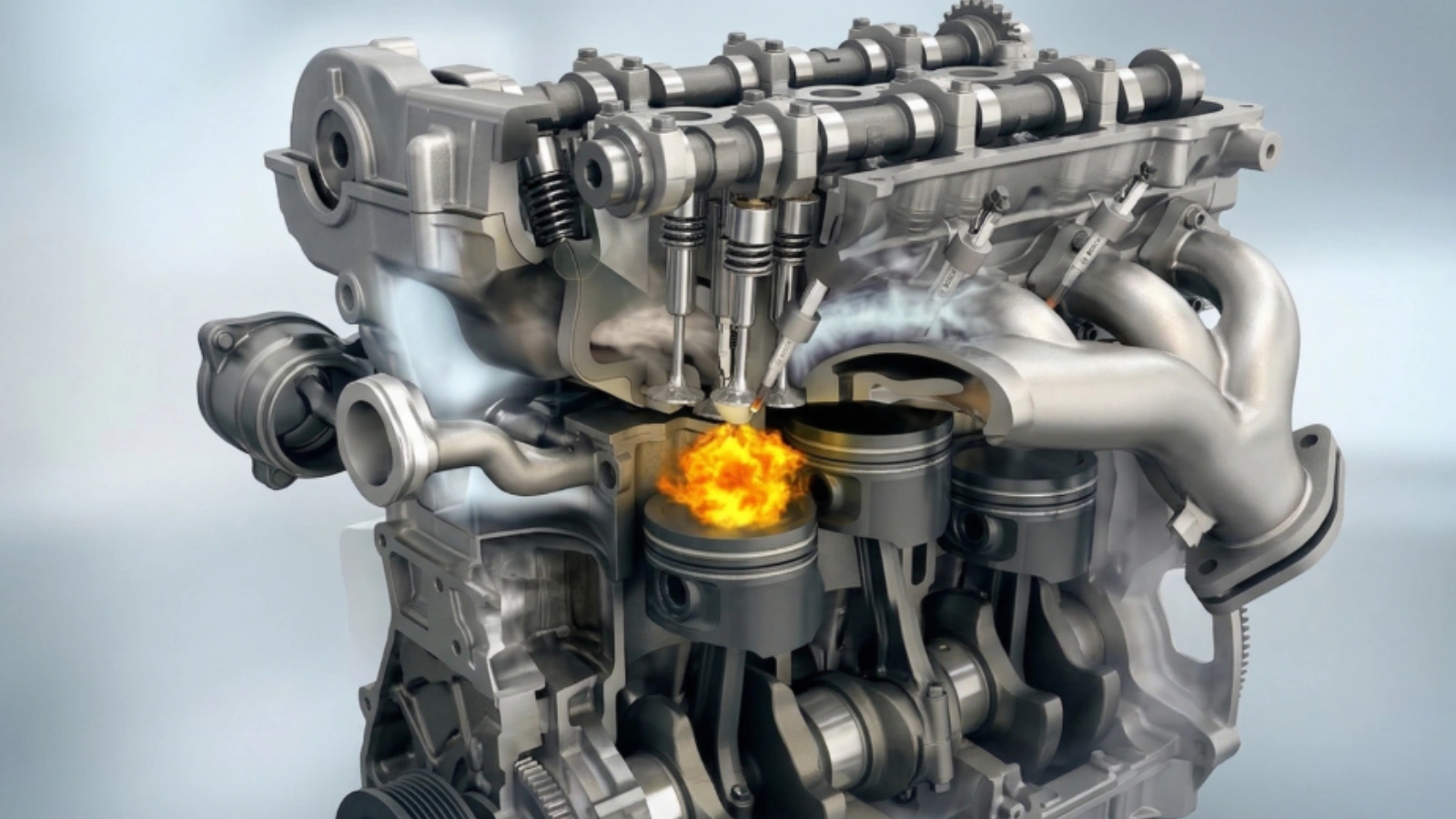
Your car is smarter than ever. Modern petrol engines come equipped with turbochargers, direct injection, knock sensors, and engine control units that adjust combustion in real time. And yet, more drivers today are reporting mysterious pinging noises, rough idling, and sluggish performance, often without any obvious mechanical failure. So what’s going on?
The answer, in many cases, starts not under the bonnet, but at the pump. Fuel quality has a far bigger role in how your engine behaves day to day than most drivers realise. Before we get into that, let’s start with the basics.
What Is Engine Knocking and Ignition Knock?
Engine knocking which is also called ignition knock, pinging, or detonation, is one of those sounds that is easy to dismiss and dangerous to ignore. In a properly functioning engine, the combustion charge burns with the flame front progressing smoothly from the point of ignition across the combustion chamber. However, at high compression ratios, some of the charge may spontaneously ignite ahead of the flame front and burn in an uncontrolled manner, producing intense high-frequency pressure waves that force parts of the engine to vibrate, which produces an audible knock.
Put simply, instead of one clean, controlled explosion per cylinder cycle, you get multiple uncontrolled mini-explosions colliding with each other. These pressure spikes can severely damage pistons, spark plugs, and bearings, especially when left unchecked.
Engine knocking doesn’t go away on its own. The knocking happens consistently as you drive, whether you’re accelerating to merge into traffic or maintaining speed. Over a short period, it can reduce efficiency, increase carbon deposits, and result in a lack of adequate oil circulation; any one of which can lead to damaged cylinders, pistons, connecting rods, and ultimately, a seized engine.
Engine Knocking Causes in Modern Petrol Cars
Several conditions can trigger engine knock, and not all of them are obvious. Common causes include low-octane fuel, which leads to pre-ignition; bad or worn spark plugs, which cause inefficient combustion; carbon buildup in the combustion chamber, which raises pressure; incorrect ignition timing; and a lean air-fuel mixture where too much air and not enough fuel leads to uneven detonation.
Over time, carbon builds on pistons and valves, reducing cylinder space and raising compression, which makes the fuel more likely to ignite too early. This is surprisingly common in cars that do lots of short trips and stop-start city driving.
Luckily, engine knock isn’t a frequent problem in modern cars because the air-fuel ratio, fuel injectors, and timing are all computer controlled. There’s even a knock sensor designed to detect engine knock and tell the Engine Control Unit so it can correct the problem automatically. However, this safety net has its limits and it can’t compensate indefinitely for persistently poor fuel quality.
What Is a Misfire in a Car and How Is It Different from Knock?
Engine knock and engine misfires are often confused with one another because they share some symptoms: rough running, loss of power, and an unhappy engine. But they are not the same thing.
When an engine misfires, it’s because there’s an incorrectly timed spark or lack of spark from the spark plug in the combustion cycle. This could indicate a number of issues such as a bad spark plug, an overly lean or rich fuel mixture, a slipping timing belt, or an air or fuel leak from the engine.
Engine knock, by contrast, is specifically about the combustion event itself happening at the wrong time or in the wrong way; the fuel igniting before it’s supposed to, creating competing pressure fronts inside the cylinder. Engine knock creates extreme pressure in the cylinder that can damage internal engine components like the pistons, bearings, connecting rods, or the cylinder wall. It also raises the temperature in the cylinder dramatically, which could lead to more instances of pre-ignition.
The key distinction: a misfire is a failure of ignition; a knock is an abnormality in ignition. Both are serious, and both can be triggered or worsened by poor fuel quality.
What Is a Misfiring Engine and Why It Happens
An engine misfire is a condition where the engine fails to ignite all the fuel in one or more cylinders, leading to a loss of power and efficiency. Things that can cause misfiring include a faulty spark plug, a loose or broken wire lead to the spark plugs, a missing or malfunctioning fuel injector, or an internal fault with the car’s ECU or wiring system.
During a misfire, the engine will make a sudden sound that can be described as popping, sneezing, or backfiring. You may also feel intermittent jerking, bucking, or stumbling from the engine, and notice rough and slow acceleration.
Because a misfire can lead to incomplete combustion of the fuel-air mixture, unburned fuel can be dumped into the exhaust system, producing a strong petrol smell. If this excess unburned fuel reaches the catalytic converter, it can cause an overload, resulting in a sulphur or rotten egg smell.
If you notice your car stumbling, shaking, or triggering a check engine light (especially after a recent fill-up) a misfire is worth investigating immediately. The longer it goes unaddressed, the more expensive the fix becomes.
How Poor Fuel Quality Triggers Knock and Misfires
This is where the two conditions converge and where fuel quality becomes central to the conversation.
Low-quality fuel may possess a lower-than-advertised octane rating, causing the mixture to auto-ignite prematurely under high compression, a phenomenon known as pre-ignition or detonation. The ECU detects this destructive knocking and retards the ignition timing to compensate, which can appear to the driver as a momentary misfire or power loss because the combustion event is no longer timed optimally.
Today’s engines run leaner, with higher compression and precise injectors. That efficiency makes them less forgiving of bad fuel. Turbo models can pull timing, cutting capacity to protect engine parts. Because tolerances are tight, even short exposure to bad petrol can accelerate wear, raising repair expenses later.
The signs of poor fuel vary, but hesitation during acceleration, rough idling, and hard starting are among the most frequent complaints. In more severe cases, the engine may knock or ping under load, which is especially risky in turbocharged vehicles. If the issue started right after a fill-up, the fuel itself is worth considering.
Old fuel may not vaporize well, water displaces fuel, and low octane invites knock that forces the engine computer to pull timing, any of those can lead to misfire when the gap between expected and actual fuel quality grows large enough.
Poor quality fuel can also lead to the formation of deposits on fuel injectors, restricting fuel flow and resulting in poor atomisation and incomplete combustion. This causes rough idling, misfires, and reduced fuel efficiency.
How Fuel Additives Help Reduce Engine Knock and Improve Combustion Stability
So what can you do about it, short of replacing your engine or obsessing over which fuel station to visit? This is exactly the gap that a quality fuel additive like Milex is designed to fill.
Detergent additives remove carbon deposits from fuel injectors and intake valves, improving combustion. Lubricants reduce friction in fuel pumps and injectors, extending component life. Octane boosters raise fuel octane levels to prevent knocking in high-performance engines. Fuel stabilisers prevent fuel degradation in stored vehicles.
Polyetheramine (PEA) which is a powerful detergent commonly used in premium fuel additives, can effectively break down and remove stubborn carbon deposits from intake valves, combustion chambers, and fuel injectors. PEA maintains its cleaning properties at the high temperatures found in combustion chambers, ensuring consistent performance across all types of petrol engines.
Fuel additive detergents dissolve carbon deposits from fuel injectors, intake valves, and combustion chambers, removing existing deposits and preventing future deposit formation with regular use, resulting in improved fuel atomisation and combustion, restored horsepower and acceleration, and smoother idle and reduced engine knocking.
Milex is designed with exactly these concerns in mind. Its comprehensive cleaning action targets the carbon buildup that raises compression, creates hot spots, and sets the stage for knock and misfires. Its corrosion inhibitors protect metal components from moisture damage; one of the most underappreciated causes of fuel system problems. And its lubricating properties keep injectors and fuel pumps operating with precision, so the fuel-air mixture reaching each cylinder is consistent and correctly calibrated every single time.
Regular use of Milex can help prevent stubborn deposits from forming and ensure your engine continues to perform at its best, with improved fuel injector performance for better combustion, enhanced fuel efficiency by restoring optimal spray patterns, prevention of harmful carbon buildup on intake valves, and prolonged engine life by keeping critical parts cleaner.
You don’t need to overhaul your car to protect it from the effects of variable fuel quality. Adding 1 ml of Milex per litre of fuel is a simple, consistent step that supports combustion stability, quiets engine noise, and gives modern engines, which are built to tight tolerances and demand reliable fuel, the best possible chance of running exactly the way they were designed to.
Because in 2026, even a smart engine needs a little help.
FAQs
What is engine knocking and ignition knock?
Engine knock (also called ignition knock), pinging, or detonation is what happens when fuel inside the cylinder ignites prematurely, before the spark plug fires, creating multiple uncontrolled mini-explosions instead of one clean, controlled combustion event. These competing pressure waves cause a distinctive knocking or pinging sound and, if left unchecked, can seriously damage pistons, spark plugs, bearings, and cylinder walls over time.
What causes engine knocking in modern petrol cars?
The most common triggers are low-octane fuel, worn spark plugs, carbon buildup in the combustion chamber, incorrect ignition timing, and a lean air-fuel mixture. Carbon deposits are a particularly sneaky cause, they accumulate on pistons and valves over time, reducing cylinder space and raising compression to the point where fuel ignites too easily. This is especially common in cars that spend a lot of time in stop-start city traffic.
What is a misfire in a car, and how is it different from knock?
A misfire happens when a cylinder fails to ignite its fuel charge at all, due to a faulty spark plug, a bad injector, a timing issue, or an ECU fault. Engine knock, by contrast, is when ignition happens at the wrong time, the fuel fires too early, creating competing pressure fronts inside the cylinder. Both cause rough running and power loss, but they are distinct problems. A misfire is a failure of ignition; knock is an abnormality in ignition.
What is a misfiring engine and why does it happen?
A misfiring engine is one where one or more cylinders fail to fully combust their fuel-air mixture, resulting in lost power, rough running, and sometimes a popping or backfiring sound. You may also notice intermittent jerking, sluggish acceleration, or a strong petrol smell from the exhaust, caused by unburned fuel passing through to the exhaust system. Common culprits include faulty spark plugs, broken wiring, malfunctioning injectors, or an ECU fault.
How does poor fuel quality trigger knock and misfires?
Low-quality fuel often carries a lower octane rating than advertised, causing the air-fuel mixture to self-ignite under compression before the spark plug fires. The engine’s ECU detects this and retards ignition timing to compensate, which can feel to the driver like a momentary misfire or power drop. Poor fuel can also cause injector deposits that disrupt the spray pattern, leading to incomplete combustion, rough idling, and further misfires. Modern engines, built to tight tolerances, are particularly unforgiving of inconsistent fuel quality.
How do fuel additives help reduce engine knock and improve combustion stability?
Fuel additives tackle the root causes that bad or variable fuel quality accelerates, primarily carbon deposits, injector fouling, and moisture in the fuel system. Detergent-based additives dissolve carbon buildup from injectors, intake valves, and combustion chambers, restoring proper fuel atomisation and reducing the elevated compression that makes knock more likely. Corrosion inhibitors address moisture damage, and lubricating agents keep injectors and fuel pumps operating with the precision that modern engines depend on. Used consistently, a good additive helps stabilise combustion regardless of what came out of the pump.