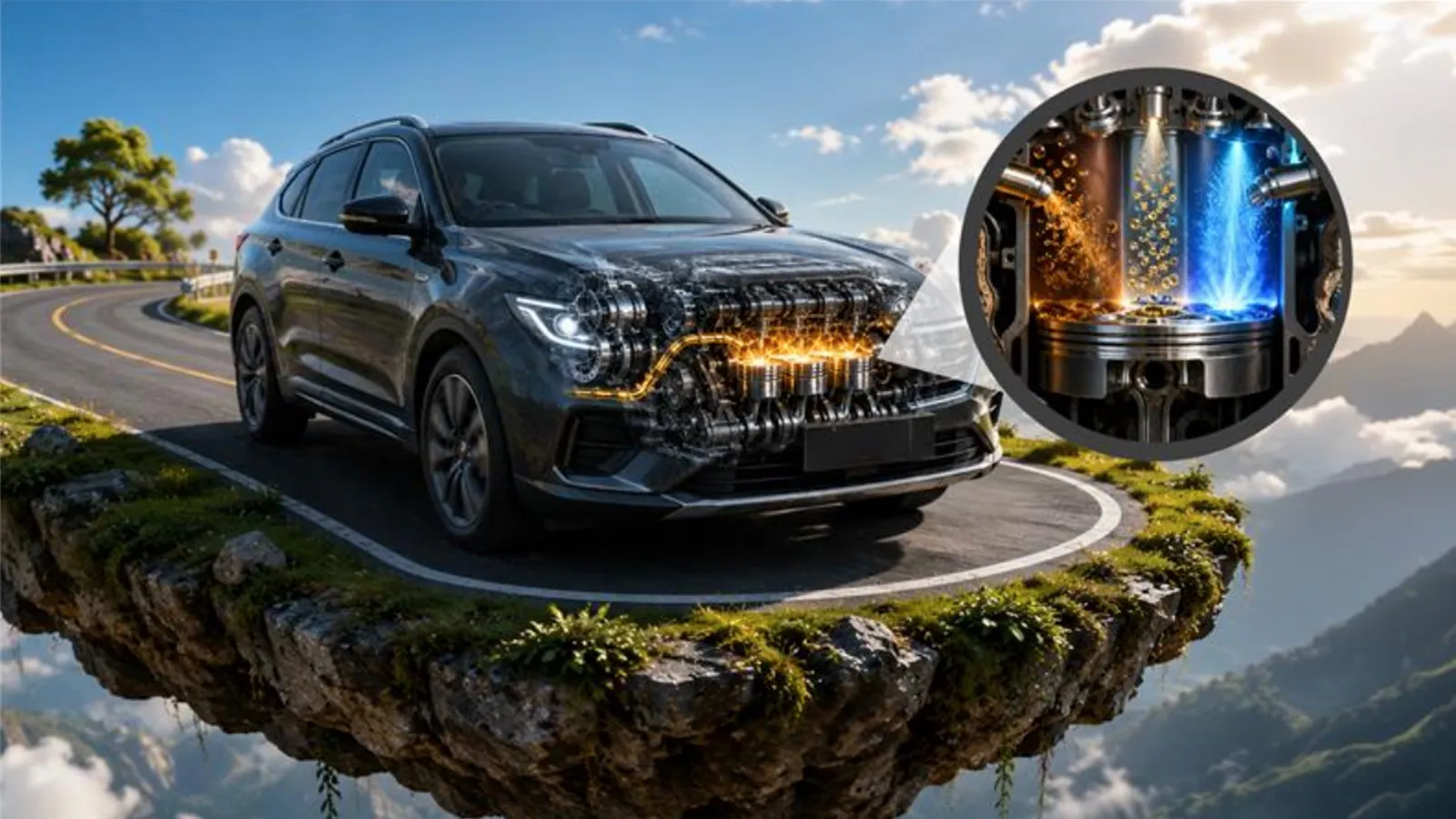
Blended ethanol is becoming increasingly common as countries adopt cleaner and more sustainable fuel options. But how does it affect your vehicle over time?
Understanding blended fuel’s impact on fuel system components can help you maintain better engine performance and extend the life of your vehicle.
Understanding Ethanol-Blended Fuels and Their Growing Use
Governments around the world are encouraging the use of fuels that contain ethanol to promote cleaner transportation. This process of adding ethanol to petrol helps reduce greenhouse gas emissions while increasing the use of renewable energy sources.
Common fuel blends, such as E10 and E20, are examples of blended ethanol fuels. These blends combine petrol with a specific percentage of ethanol, allowing compatible vehicles to operate with lower environmental impact.
As the use of blended fuel continues to grow, understanding its effect on vehicle maintenance becomes increasingly important.
How Ethanol Interacts with Fuel System Components
The ethanol fuel system works much like a conventional fuel system, but ethanol has different chemical properties than petrol.
One important characteristic of ethanol is that it attracts and absorbs moisture more easily. It can also loosen deposits that have built inside the fuel system over time. While these properties are not necessarily harmful, they can place additional demands on components that regularly come into contact with the fuel.
Vehicles designed for modern ethanol blends are built with materials that can withstand these conditions, but routine maintenance remains essential.
Common Long-Term Effects on Fuel Injectors, Pumps and Fuel Lines
Over time, fuel injectors, fuel pumps, seals, and fuel lines may experience additional wear if deposits, moisture, or contaminants accumulate inside the system.
Dirty injectors can affect fuel delivery, while contaminated fuel may place extra strain on pumps and other components. Older vehicles that were not originally designed for higher ethanol blends may also experience faster deterioration of certain rubber or plastic parts.
Keeping the fuel system clean and following the manufacturer’s recommended maintenance schedule can help minimise these long-term effects.
Moisture Absorption, Corrosion and Fuel System Challenges
One of the most discussed concerns surrounding ethanol-blended fuels is ethanol fuel corrosion.
Since, ethanol naturally attracts moisture, water contamination may increase if fuel is stored for long periods. Excess moisture can contribute to corrosion in metal components and may affect overall fuel quality over time.
However, modern vehicles are generally designed to handle approved ethanol blends when they are used correctly. Regular vehicle use, proper fuel storage, and timely maintenance significantly reduce the risk of corrosion-related issues.
Why Fuel Additives Can Help Protect Ethanol-Blended Fuel Systems
As blended fuel becomes more widely used, preventive maintenance becomes even more valuable.
Quality fuel additives help keep injectors clean, reduce deposit formation, and support smoother combustion. They also help maintain fuel system cleanliness, which is especially useful for vehicles that regularly operate on blended ethanol fuels.
While fuel additives cannot change a vehicle’s compatibility with ethanol blends, they can help support overall fuel system performance and long-term engine health.
To keep your vehicle performing at its best, combine regular servicing with high-quality fuel care products. Milex Fuel Additives are formulated to help reduce deposits, maintain fuel system cleanliness, and support smoother engine performance, making them a reliable choice for vehicles using modern ethanol-blended fuels.
FAQs
1. Why does ethanol absorb water more easily than petrol?
Ethanol is hygroscopic, meaning it naturally attracts and absorbs moisture from the surrounding air more readily than petrol.
2. Which fuel system parts are most affected by ethanol blends?
Fuel injectors, pumps, seals, fuel lines, and certain metal components are the parts most commonly exposed to the effects of ethanol-blended fuels over time.
3. Can ethanol cause corrosion in modern vehicles?
Modern vehicles are designed to work with approved ethanol blends. However, prolonged moisture contamination or improper fuel storage may increase the risk of corrosion in some components.
4. Does ethanol affect fuel storage life?
Yes. Because ethanol absorbs moisture, fuel stored for long periods may degrade faster than conventional petrol if not stored under suitable conditions.
5. How can drivers reduce ethanol-related fuel system issues?
Following the recommended service schedule, using quality fuel, avoiding long-term fuel storage, and using trusted fuel additives can help keep the fuel system clean and performing efficiently.