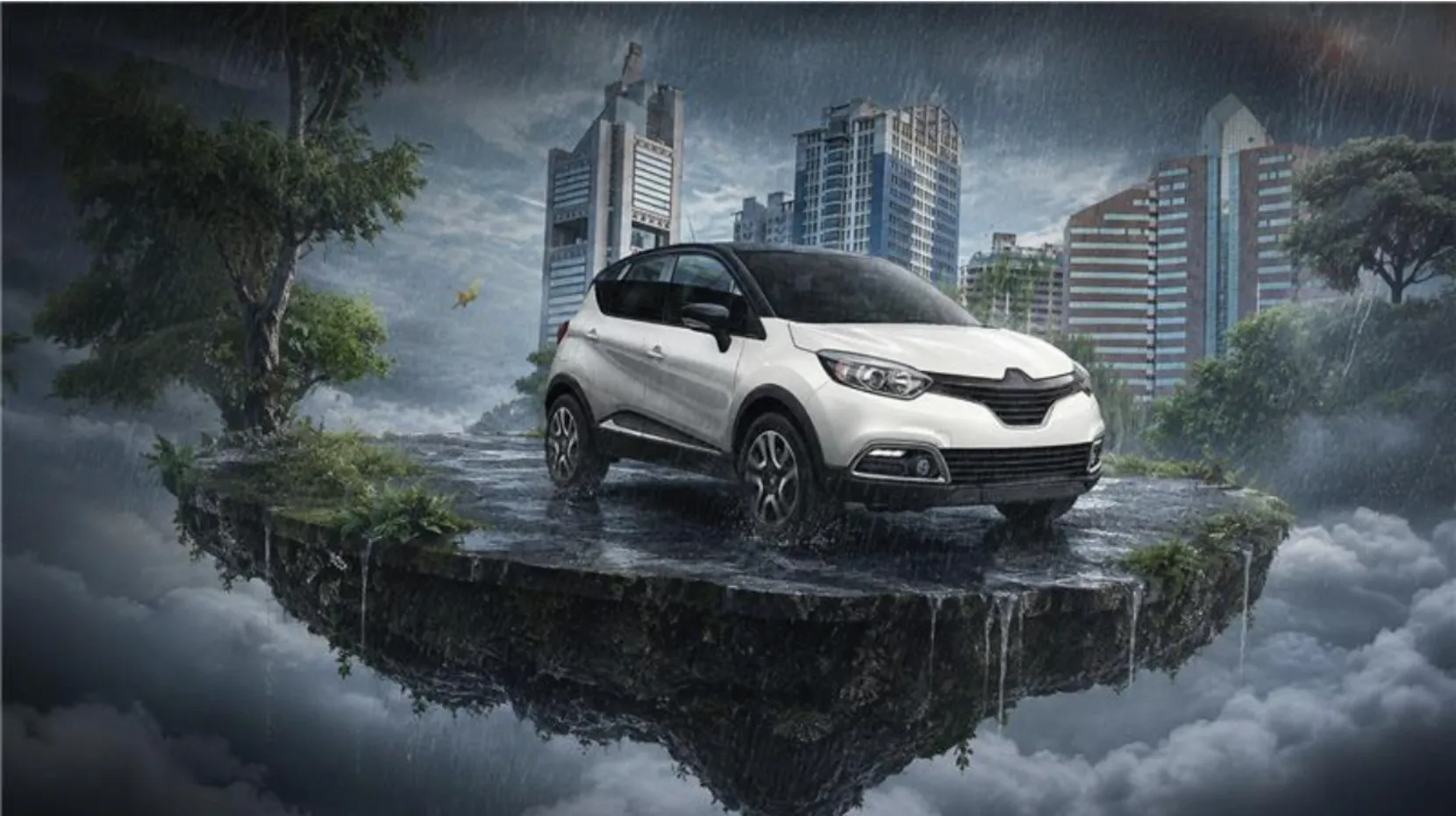
Monsoon brings its share of challenging road conditions, and waterlogged roads can quickly turn a routine drive into a potential vehicle hazard. While modern cars are designed to handle rain and wet conditions, deep or stagnant water can affect critical components, particularly the engine, fuel system, electrical components, and braking system.
Understanding the risks associated with driving through flooded roads can help you make safer decisions and reduce the chances of expensive repairs. Here is what you need to know about waterlogged roads, car engine damage, and practical monsoon car care.
How Waterlogged Roads Can Damage Your Vehicle’s Engine
The biggest concern when driving through waterlogged roads is the possibility of water entering the engine. An engine requires air, fuel, and a spark or compression to operate. When water enters through the air intake, it can reach the combustion chamber.
Unlike air, water cannot be compressed. If a significant amount of water enters a running engine, the pistons may be unable to complete their normal movement. This condition, commonly known as hydrolock, can cause severe car engine damage, including damage to connecting rods, pistons, or other internal components.
The risk is particularly high when driving through flooded roads where water levels are high enough to reach the vehicle’s air intake. Even if the engine does not immediately suffer major damage, water can contaminate engine oil or affect electrical connections and sensors.
This is why avoiding waterlogged roads whenever possible is an important part of monsoon car care. If you cannot clearly judge the depth of the water, taking an alternate route is generally safer than attempting to cross it.
Impact of Floodwater on the Fuel System and Other Components
Floodwater can affect more than just the engine. Depending on the depth of the water and the vehicle’s design, prolonged exposure can affect components such as the fuel tank, fuel lines, electrical connectors, sensors, and exhaust system.
Water entering the fuel system can potentially contaminate fuel, particularly if there is a compromised seal or another existing issue. Contaminated fuel can affect combustion quality and may result in poor engine performance.
Floodwater can also carry mud, debris, and contaminants. These can enter areas around the underbody and remain trapped even after the vehicle is driven out of the water. Moisture around electrical connectors can contribute to corrosion or electrical faults over time.
This makes post-drive inspection an important part of monsoon car care, especially after encountering deep waterlogged roads.
It is also worth remembering that not every issue caused by floodwater will appear immediately. Some forms of car engine damage or electrical deterioration may become noticeable only after several drives.
Warning Signs of Engine or Fuel System Damage After Driving Through Water
After driving through flooded roads, pay attention to changes in how your vehicle starts, idles, and accelerates. Some warning signs that warrant professional inspection include:
- Difficulty starting the engine or repeated stalling
- Unusual engine noises or vibrations
- Reduced acceleration or uneven engine performance
- Engine misfiring
- Poor fuel economy
- A warning light appearing on the dashboard
- Unusual exhaust smoke
- Difficulty maintaining a steady idle
- Visible water or contamination around components
If your vehicle has encountered deep waterlogged roads, do not ignore these symptoms simply because the car continues to run. Continuing to drive with potential car engine damage can sometimes make an existing problem worse.
A professional inspection can help determine whether water has affected the engine, fuel system, electrical components, or other parts of the vehicle.
What to Do If Your Vehicle Stalls on a Waterlogged Road
If your car stalls while driving through flooded roads, the most important thing is to avoid repeatedly trying to restart the engine.
Restarting a water-affected engine can potentially draw more water into the engine and increase the risk of serious car engine damage. Instead, switch off the ignition and move to a safe location if it is possible to do so without putting yourself at risk.
Avoid entering deep or fast-moving water to reach the vehicle. Contact roadside assistance or a qualified mechanic and have the vehicle inspected before attempting to drive it again.
If the vehicle has been exposed to substantial flooding, a professional may need to check the engine, air intake, engine oil, fuel system, electrical components, and other affected areas.
This is one of the most important rules of monsoon car care: when water is deep enough to create a serious risk, protecting yourself and preventing further car engine damage should take priority over getting the vehicle moving immediately.
Monsoon Precautions to Protect Your Engine and Fuel System
Good monsoon car care begins before the rain gets heavy. A few simple precautions can reduce the risks associated with water-logged roads.
- Check your tyres: Adequate tread and correct tyre pressure can improve grip on wet roads and reduce the risk of losing control.
- Check your brakes: Wet conditions can affect braking performance temporarily. Get worn brake components inspected before the monsoon.
- Inspect the air intake: Make sure the air filter and intake system are in good condition. A damaged or poorly sealed intake can increase the risk of water entering the engine.
- Check fluids regularly: Engine oil and other fluids should be inspected as recommended by the vehicle manufacturer, particularly after exposure to deep water.
- Avoid unnecessary risks: If you cannot judge the depth of waterlogged roads, look for another route. Avoid following larger vehicles closely, as they can create waves that raise the water level around your car.
- Do not accelerate aggressively through water: If a water crossing is safe and unavoidable, follow your vehicle’s manufacturer’s guidance and maintain a controlled speed. However, never attempt to cross water that is too deep, fast-moving or otherwise unsafe.
These simple monsoon car care habits can help reduce the chances of water-related problems and unnecessary car engine damage.
Waterlogged Roads: Do’s & Don’ts
When dealing with waterlogged roads, a few simple precautions can help reduce the risk of vehicle damage and keep you safer.
| DO’S | DON’TS |
|---|---|
| Do check the water depth before attempting to cross. If you cannot judge it safely, take an alternate route. | Don’t attempt to cross deep or fast-moving water. |
| Do maintain a controlled speed if the water is shallow enough to cross safely. | Don’t repeatedly restart a vehicle that has stalled in water, as this can increase the risk of engine damage. |
| Do leave extra distance from other vehicles to avoid sudden splashes and waves. | Don’t accelerate aggressively while crossing water. |
| Do inspect your vehicle after driving through deep water, especially if you notice changes in engine performance. | Don’t assume that a vehicle is unaffected just because it continues to run. Some water-related issues may appear later. |
What Two-Wheeler Riders Should Know
Waterlogged roads can be particularly challenging for two-wheelers. Reduced visibility, slippery surfaces, potholes hidden beneath water, and strong water flow can increase the risk of losing balance or control. This makes extra caution an important part of monsoon car care for both two-wheelers and cars.
Two-wheeler riders should avoid flooded stretches whenever possible and never attempt to cross water that is deep, fast-moving, or difficult to judge. Even shallow-looking water can conceal potholes, debris, or uneven road surfaces. Driving through flooded roads can also expose the vehicle to water and contaminants that may affect its engine, brakes, and electrical components.
If a two-wheeler has been exposed to substantial flooding, it is advisable to have it inspected before regular use. Riders should pay attention to issues such as difficulty starting, unusual engine behaviour, braking changes, or electrical problems. Ignoring these signs could potentially lead to more serious issues, including car engine damage in applicable vehicle systems.
For both cars and two-wheelers, the safest approach during the monsoon is simple: if the water looks unsafe to cross, don’t take the risk. Avoiding waterlogged roads whenever possible is one of the simplest ways to protect your vehicle and practise responsible monsoon car care.
How Fuel Additives May Support Fuel System Maintenance After Monsoon Driving
Fuel additives can be a useful part of regular fuel-system maintenance, particularly when your vehicle has been through demanding driving conditions during the monsoon. However, they are not a substitute for professional inspection if your vehicle has been exposed to deep flooding or has stalled in water.
This is where Milex fuel additives can help. Milex offers fuel additive solutions designed to support cleaner and more efficient fuel-system operation. Depending on the product used, Milex formulations can help address fuel-system deposits and support smoother engine performance as part of a regular vehicle maintenance routine.
After a season of driving through flooded roads, maintaining the cleanliness and performance of the fuel system becomes especially important. Using the appropriate Milex fuel additive as recommended can complement routine maintenance and help keep the fuel system functioning efficiently.
It is important to remember that fuel additives cannot prevent hydrolock, remove water from a flooded engine, or repair car engine damage caused by water entering the combustion chamber. If your vehicle has stalled in deep water or is showing signs of engine or fuel-system problems, it should be inspected by a qualified professional first.
For everyday monsoon car care, combining responsible driving, regular vehicle maintenance and the right fuel system care can help keep your vehicle ready for the journeys ahead. With Milex, fuel additive maintenance can be one more step towards keeping your vehicle’s fuel system clean and performing at its best.
FAQs
1. How do waterlogged roads affect your car’s engine?
Waterlogged roads can allow water to enter the engine through air intake. If enough water reaches the combustion chamber, it can cause hydrolock and potentially lead to serious car engine damage. Deep water can also affect electrical components and other engine-related systems.
2. Can flooded roads damage your fuel system?
Yes. Driving through flooded roads can expose fuel-system components to water, mud, and contaminants. In some circumstances, water can contaminate fuel or contribute to corrosion and other issues. A professional inspection is recommended if your vehicle has been exposed to deep flooding.
3. What should you do if your car stalls in water?
Do not repeatedly attempt to restart the vehicle. Turn off the ignition, move to a safe location if possible, and contact roadside assistance or a qualified mechanic. Restarting a water-affected engine can increase the risk of car engine damage.
4. How can you protect your car during the monsoon?
Practicing basic monsoon car care can help. Check tyres, brakes, fluids and the air intake, keep up with scheduled maintenance and avoid waterlogged roads whenever their depth cannot be safely judged.
5. Can fuel additives help protect your fuel system?
A suitable fuel additive can support routine fuel-system maintenance by helping manage deposits, depending on the product formulation. However, additives cannot prevent floodwater from entering an engine or repairing car engine damage. They should be used according to the vehicle and product manufacturer’s recommendations.