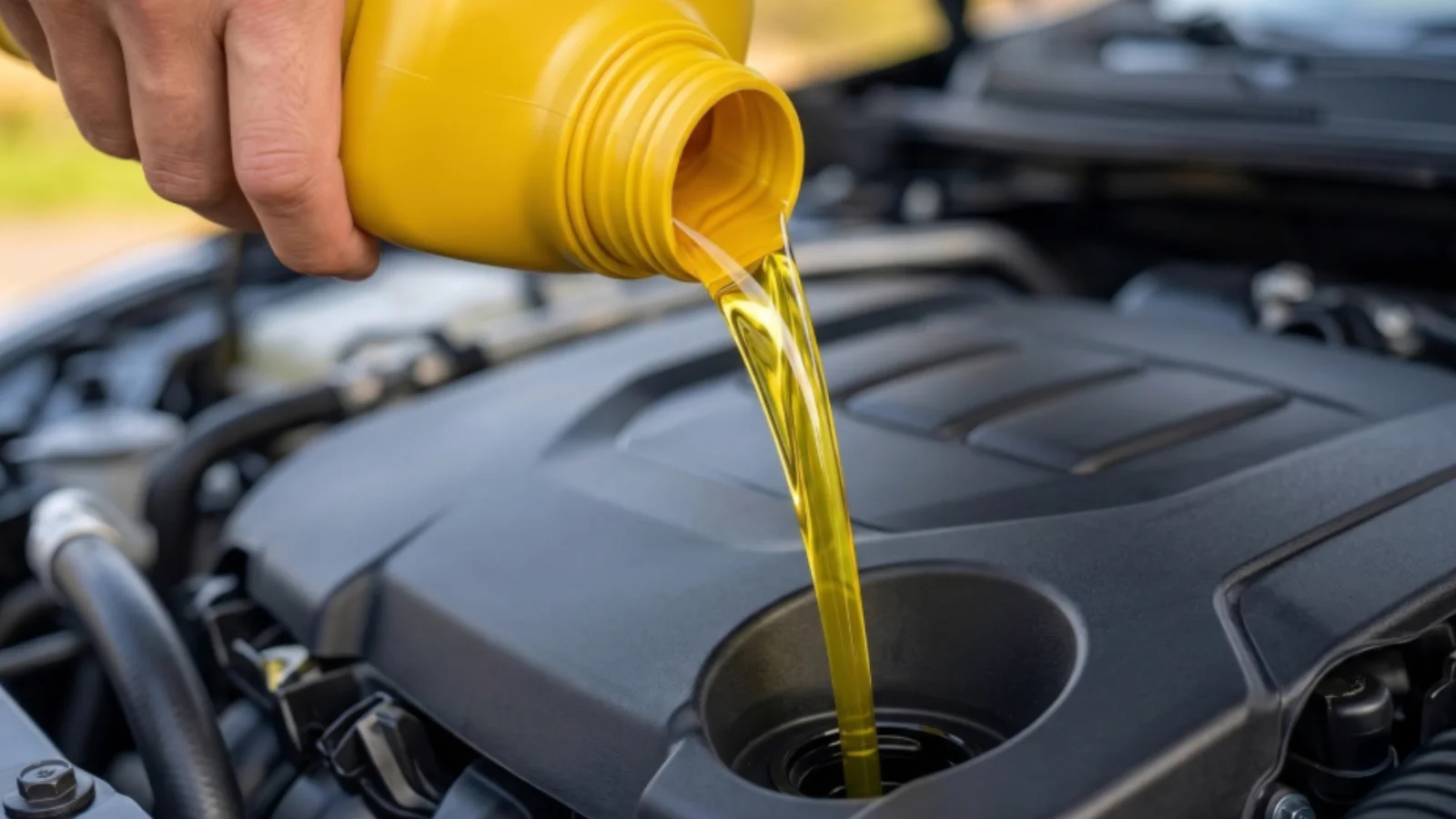
When you think about what keeps your car running smoothly, fuel and engine oil usually come to mind first. But there’s another quiet contributor working behind the scenes—coolant. It doesn’t roar like the engine or move like fuel, yet it plays a vital role in keeping everything in balance. Understanding what coolant is, and how it supports engine performance, can make a real difference to your vehicle’s longevity and efficiency.
What Is a Coolant and Why It Is Important in Vehicles
At its core, coolant is a specially formulated liquid designed to regulate your engine’s temperature. It is typically a mixture of water and antifreeze, combined with additives that prevent rust and corrosion.
The primary coolant function in engine systems is simple yet critical—it absorbs excess heat generated during combustion and dissipates it, ensuring the engine does not overheat. Without it, the intense temperatures inside the engine could quickly lead to severe damage.
In modern vehicles, coolant also protects against freezing in colder climates and prevents scale build-up inside the engine. So, it’s not just about cooling—it’s about maintaining balance in extreme conditions.
How the Cooling System Works in a Car Engine
A car’s cooling system is an interconnected network designed to manage heat efficiently. It includes components such as the radiator, water pump, thermostat, hoses, and cooling fan.
When the engine runs, it generates a significant amount of heat. The cooling system ensures this heat is continuously transferred away from critical components. The radiator acts as a heat exchanger, releasing heat into the air, while the thermostat regulates when coolant flows through the system.
Think of it as a carefully timed cycle—heat is absorbed, transferred, cooled, and recirculated. This constant movement keeps the engine operating within an optimal temperature range.
How Coolant Circulates Through the Engine
The coolant circulation system is where the real work happens. Coolant flows through passages within the engine block and cylinder head, absorbing heat from combustion.
The water pump drives this circulation, pushing coolant towards the radiator once it becomes hot. Inside the radiator, airflow cools the liquid before it returns to the engine to repeat the cycle.
This continuous loop ensures that no single part of the engine gets excessively hot. It’s a process that happens seamlessly every time you drive, maintaining performance without you even noticing.
Types of Coolant Used in Modern Vehicles
Understanding the types of coolant available can help you choose the right one for your vehicle. Not all coolants are the same, and using the incorrect type can lead to inefficiencies or damage.
The most common types include:
- Inorganic Acid Technology (IAT): Typically used in older vehicles, requires more frequent replacement.
- Organic Acid Technology (OAT): Long-lasting and commonly used in modern cars.
- Hybrid Organic Acid Technology (HOAT): Combines the benefits of both IAT and OAT, offering durability and protection.
Each type is formulated with specific additives, so it’s always best to follow your manufacturer’s recommendation rather than mixing or experimenting.
Each type is formulated with specific additives, so it’s always best to follow your manufacturer’s recommendation rather than mixing or experimenting.
Role of Coolant in Preventing Overheating and Corrosion
Beyond temperature control, coolant plays a protective role inside the engine. It prevents metal components from corroding, reduces the risk of rust, and minimises deposits that could block passages.
Overheating is one of the most common causes of engine failure. By efficiently absorbing and dispersing heat, coolant ensures that the engine operates within safe limits, even under demanding conditions such as long drives or heavy traffic.
Additionally, modern coolants contain lubricating properties that help extend the life of components like the water pump, contributing to overall engine health.
Signs of Low or Failing Coolant in Your Car
Coolant issues often start subtly but can escalate quickly if ignored. Recognizing early signs can save you from costly repairs.
Look out for:
- Rising engine temperature or overheating warnings
- Sweet-smelling odour from the engine bay
- Visible coolant leaks under the vehicle
- Low coolant levels in the reservoir
- White exhaust smoke in severe cases
If you notice any of these, it’s important to act promptly. A compromised cooling system can affect both performance and safety.
How Fuel Additives Support Efficient Combustion and Engine Performance
While coolant manages temperature, fuel additives play a complementary role in improving how efficiently your engine runs. Cleaner combustion results in less heat stress on the engine, indirectly supporting the cooling system.
This is where Milex Fuel Additives come into the picture. By enhancing fuel quality, reducing deposits, and promoting smoother combustion, Milex helps your engine operate more efficiently. When combustion is optimised, the engine doesn’t have to work as hard, reducing unnecessary heat build-up.
The result is a well-balanced system—coolant keeps temperatures in check, while Milex additives ensures the engine performs at its best with minimal strain.
If you’re looking to maintain performance, improve efficiency, and support your engine’s long-term health, choosing Milex Fuel Additives is a step in the right direction.
FAQs
How often should coolant be replaced in a car?
Most vehicles require coolant replacement every 2 to 5 years, depending on the type used. Always refer to your manufacturer’s guidelines.
Can low coolant cause engine damage?
Yes, low coolant can lead to overheating, which may cause serious engine damage, including warped components or complete failure.
Is it safe to mix different types of coolant?
It is not recommended. Mixing different types of coolant can reduce effectiveness and may cause chemical reactions that harm the system.
What are the signs of coolant leakage?
Common signs include puddles under the car, a sweet smell, low coolant levels, and visible residue near hoses or the radiator.
Does coolant improve engine efficiency?
Indirectly, yes. By maintaining optimal temperature, coolant allows the engine to operate efficiently without overheating.
Can using water instead of coolant harm the engine?
Yes, water alone lacks the protective additives found in coolant. It can lead to corrosion, freezing in cold conditions, and reduced boiling resistance, all of which can damage the engine.
Related Reads for What Is a Coolant and How It Maintains Engine Temperature and Performance
If you’re looking to understand how temperature control, fuel quality, and engine efficiency are connected, these articles offer deeper insights into performance and long-term engine health: