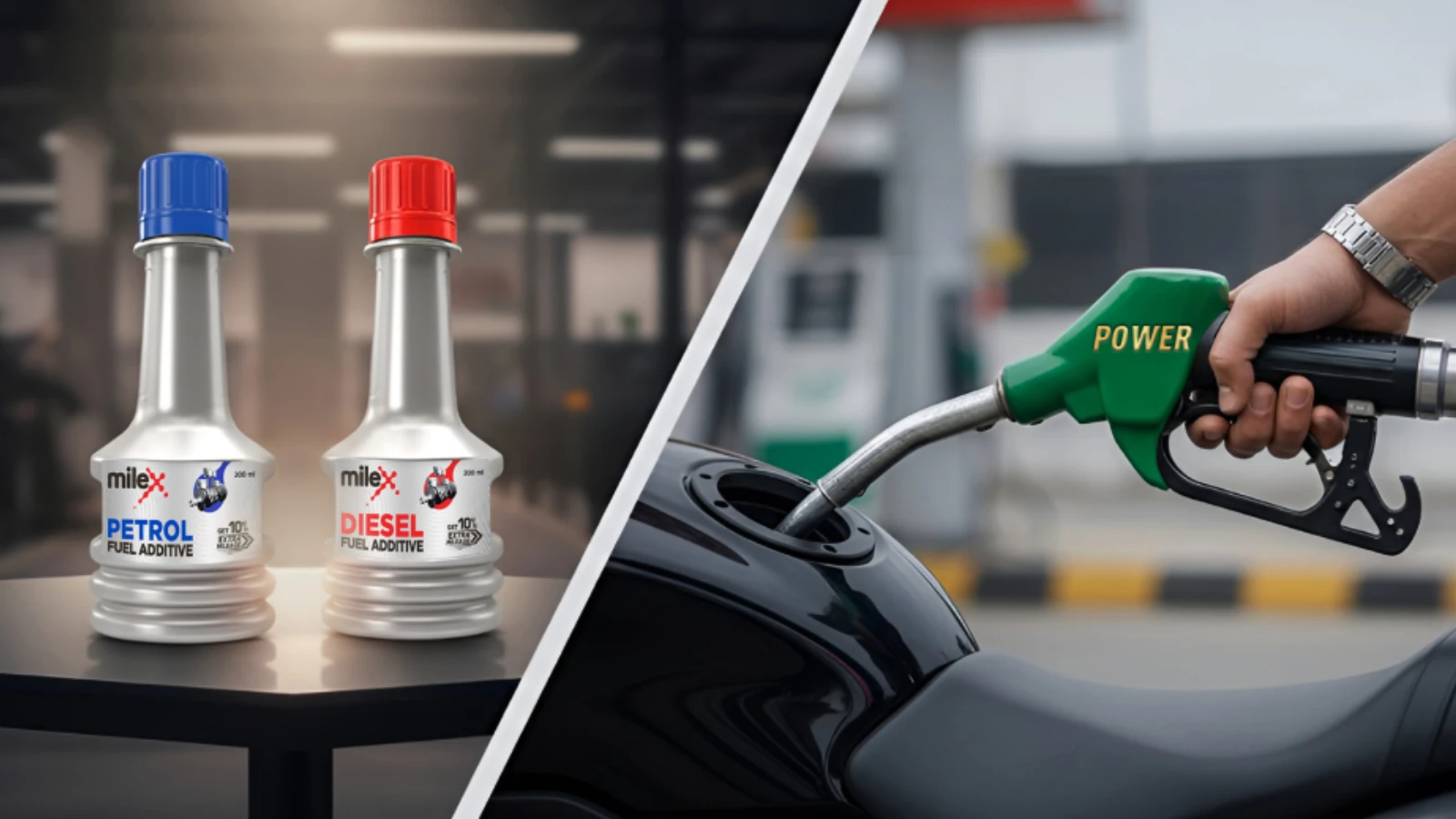
If you’ve ever stood at a fuel station staring at the options—regular, premium, diesel variants—and wondered whether the extra cost actually delivers extra value, you’re not alone. Add fuel additives into the mix, and the confusion only grows. Is premium fuel genuinely better for your engine, or can a petrol additive do the same job for less? More importantly, what makes sense for everyday driving?
Let’s break it down calmly, without the jargon, and help you decide what truly works for your car, your wallet, and your driving habits.
What makes premium fuel different from regular fuel
Premium fuel—whether it’s power petrol or premium diesel fuel—is essentially standard fuel blended with higher-quality additives at the refinery level. These additives are designed to improve combustion, reduce deposits, and, in some cases, offer better engine cleanliness over time.
One of the most noticeable differences is octane rating in petrol. Premium fuel has a higher octane level, which helps prevent knocking in high-performance engines designed to operate under greater pressure. Diesel equivalents focus more on smoother combustion and reduced injector deposits.
That said, premium fuel doesn’t magically upgrade an engine. If your car isn’t built to benefit from higher octane or specialised diesel blends, the difference may be marginal—especially in day-to-day city driving.
How fuel additives work inside the engine
Fuel additives, on the other hand, are concentrated formulations added directly to your tank. Instead of paying for a permanently upgraded fuel blend, you’re choosing when and how to enhance your fuel.
A petrol plus petrol additive combination can help clean injectors, reduce carbon build-up, and improve combustion efficiency. In diesel engines, additives often focus on injector cleanliness, lubrication, and smoother fuel flow.
The key difference is control. Fuel additives work inside the engine by targeting specific issues—such as reduced mileage, sluggish pickup, or long-term deposit build-up—rather than offering a one-size-fits-all upgrade at every refill.
Mileage and performance comparison: additives vs premium fuel
Mileage is where most drivers expect to see tangible results. Premium fuel may offer smoother acceleration in certain engines, but gains in fuel economy are often modest unless the engine is specifically tuned for it.
Fuel additives, when used correctly, can improve combustion efficiency by cleaning critical components. Over time, this can help the engine return closer to its original performance levels, especially if it’s been running on regular fuel for years.
In real-world driving—traffic-heavy commutes, short trips, stop-start conditions—fuel additives often deliver more noticeable mileage improvements than switching to premium fuel alone. Performance feels more consistent, rather than momentarily boosted.
Cost comparison of premium fuel and fuel additives
This is where the difference becomes very clear. The power petrol price is consistently higher than regular petrol, and the cost adds up with every fill. The same applies to premium diesel fuel.
Fuel additives are typically used periodically rather than at every refill. One bottle can treat multiple litres of fuel, spreading the cost over several weeks or even months. Instead of paying a premium every time you visit the pump, you’re investing in targeted engine care when it’s actually needed.
For drivers watching their monthly fuel expenses, additives often offer better cost efficiency without locking you into higher fuel prices.
When premium fuel makes sense for your car
Premium fuel does have its place. If you drive a high-performance car, a turbocharged petrol engine, or a vehicle where the manufacturer explicitly recommends higher-octane fuel, premium fuel is worth considering.
It can help prevent engine knocking, support smoother power delivery, and maintain optimal performance in engines designed for it. In these cases, premium fuel isn’t a luxury—it’s a requirement.
If your driving style involves sustained high speeds or heavy loads, premium blends may also offer more consistent performance.
When fuel additives are the smarter choice
For most daily drivers, fuel additives are the more practical option. If your car runs perfectly well on regular petrol or diesel but feels less efficient than it used to, additives can help restore balance without changing your fuel type.
They’re especially useful for urban driving, older vehicles, and cars that spend a lot of time idling in traffic. Instead of paying extra at every refill, you can use additives strategically to keep the engine clean and responsive.
Brands like Milex Fuel Additives focus on enhancing everyday fuel, making regular petrol and diesel work harder and cleaner for your engine.
The bottom line
Premium fuel and fuel additives aren’t competitors—they solve different problems. Premium fuel is about built-in enhancement at a higher recurring cost. Fuel additives are about targeted improvement, flexibility, and better value over time.
For most drivers, especially those focused on mileage, maintenance, and daily commuting, fuel additives offer a smarter, more adaptable solution.
FAQs
Is premium fuel necessary for all cars?
No. Only vehicles designed for higher-octane fuel truly benefit from premium petrol or diesel.
Can fuel additives be used with regular petrol or diesel?
Yes. Fuel additives are designed to work alongside regular fuel.
Do fuel additives replace the need for premium fuel?
In most everyday cars, yes. For performance engines that require premium fuel, additives are complementary, not replacements.
Are fuel additives safe for long-term use?
When used as directed, quality fuel additives are safe and help maintain engine health.
Which option offers better value for daily commuting?
Fuel additives generally provide better value for regular, everyday driving without increasing fuel costs at every refill.
Related Reads for Fuel Additives vs Premium Fuel: What’s the Difference?
Confused between paying extra for premium fuel or using additives with regular fuel? These articles break down performance, mileage, and cost-effectiveness: