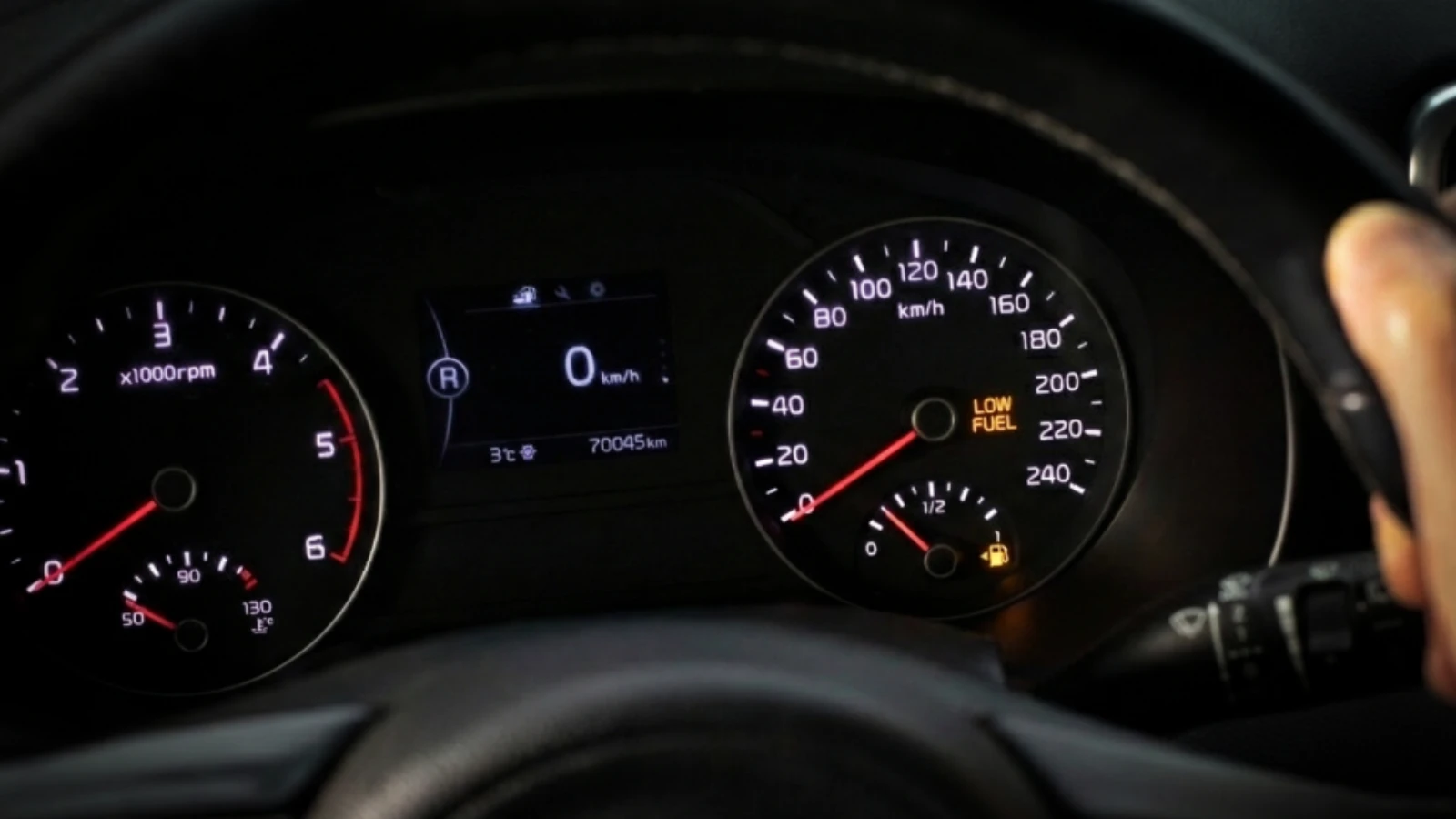
You know your car better than you think you do. You know how far a full tank usually takes you. You know roughly when the low-fuel light comes on. So when your car mileage suddenly changes, it does not go unnoticed.
One week everything feels normal. The next, you are visiting the fuel station earlier than expected. There are no warning lights. No strange sounds. No obvious mechanical issues. Just fuel running out faster than usual.
It feels abrupt. But in reality, most mileage drops are gradual problems that only become noticeable later.
Let us understand what is really happening beneath the bonnet.
What Car Mileage Really Indicates About Engine Health
Car mileage is not just a cost factor. It is a reflection of engine efficiency.
When your engine is clean and operating optimally, fuel is atomised correctly, mixed precisely with air, and burned efficiently. This process generates maximum energy from every litre.
However, even minor disruptions inside the combustion system can reduce efficiency. Carbon deposits in injectors, slight fuel flow restrictions, or uneven spray patterns can disturb combustion.
The result? Your engine still works, but it works harder to deliver the same output. That subtle inefficiency is often the first reason behind car mileage going down.
Mileage is less about failure and more about performance quality.
Common Driving and Traffic Conditions That Reduce Mileage
Before assuming a technical fault, it is important to look at everyday conditions.
Urban traffic, frequent braking, long idling times, and short trips reduce fuel efficiency. Engines consume more fuel during acceleration and while warming up. If your commute involves stop-start movement, mileage naturally drops.
Driving behaviour also matters. Aggressive acceleration, carrying extra weight, and inconsistent tyre pressure can all affect consumption.
Weather plays a part too. Cold starts in winter increase fuel usage, while constant air-conditioning in summer slightly lowers fuel economy.
If these conditions have changed recently, they could explain the drop. But if your routine remains the same and the decrease feels sharper, the reason is likely internal.
How Fuel Quality and Combustion Affect Car Mileage
Fuel quality has a direct impact on combustion.
Inconsistent or lower-quality fuel may contain impurities that leave behind deposits. Over time, these deposits accumulate in injectors and combustion chambers, affecting how fuel is sprayed and burned.
Even a small disturbance in combustion efficiency means less energy extracted per litre.
Clean combustion is the foundation of consistent mileage. When combustion becomes uneven, fuel consumption increases quietly.
Why Mileage Drops Even When There’s No Warning Light
Many drivers expect the dashboard to signal every issue. But warning systems are designed to detect critical failures, not minor inefficiencies.
- Early carbon build-up or slight injector clogging will not trigger alerts. Yet these small issues can significantly affect fuel economy.
- Is low mileage always linked to engine problems?
Not necessarily. Often, it is linked to reduced combustion efficiency rather than mechanical breakdown. - Your engine components may still be functioning correctly. They are simply not operating at peak precision anymore.
That is why mileage drops can feel confusing. Nothing appears wrong, but something is not performing as it should.
Hidden Fuel System Issues That Cause Mileage to Go Down
As vehicles age, gradual deposit build-up is unavoidable.
Common hidden factors include:
- Carbon deposits in fuel injectors
- Restricted fuel spray patterns
- Dirty intake valves
- Incomplete combustion cycles
These issues do not always affect drivability immediately. The car may still feel smooth. But internally, efficiency declines.
How Fuel Treatments and Additives Help Improve Fuel Economy
Maintaining fuel system cleanliness is essential for consistent mileage.
Quality fuel treatments are designed to clean injectors, reduce deposit formation, and support efficient combustion. By restoring proper fuel atomisation, they help the engine burn fuel more effectively.
At Milex Global we focus on scientifically formulated solutions that support cleaner combustion and improved fuel efficiency. If you want to protect your engine, restore performance balance, and make every litre count, choose Milex Fuel Additives and give your car the efficiency it was built for.
FAQs
Why does car mileage reduce suddenly without any engine issues?
Mileage often drops due to gradual carbon build-up or reduced combustion efficiency. The engine may still function normally, but small inefficiencies accumulate over time and become noticeable at the fuel pump.
Can fuel quality alone cause a mileage drop in cars?
Yes. Lower-quality fuel can leave deposits in the fuel system, affecting combustion and reducing overall efficiency without triggering warning lights.
Is low mileage always linked to engine problems?
No. It is frequently related to reduced efficiency rather than mechanical damage. Minor injector deposits or incomplete combustion can lower mileage even when the engine is otherwise healthy.
How often should fuel treatments be used in high-mileage cars?
Generally every few thousand kilometres, or as recommended by the product manufacturer. Regular usage supports ongoing cleanliness and efficiency.
Do additives really help improve fuel economy over time?
When properly formulated, additives to improve fuel economy can clean fuel systems, enhance combustion, and support more consistent mileage over time.
Related Reads for The Hidden Reason Behind Sudden Mileage Drops in Cars
If your vehicle’s fuel efficiency has suddenly worsened, these articles explain how deposits, fuel quality, and injector health directly impact mileage: