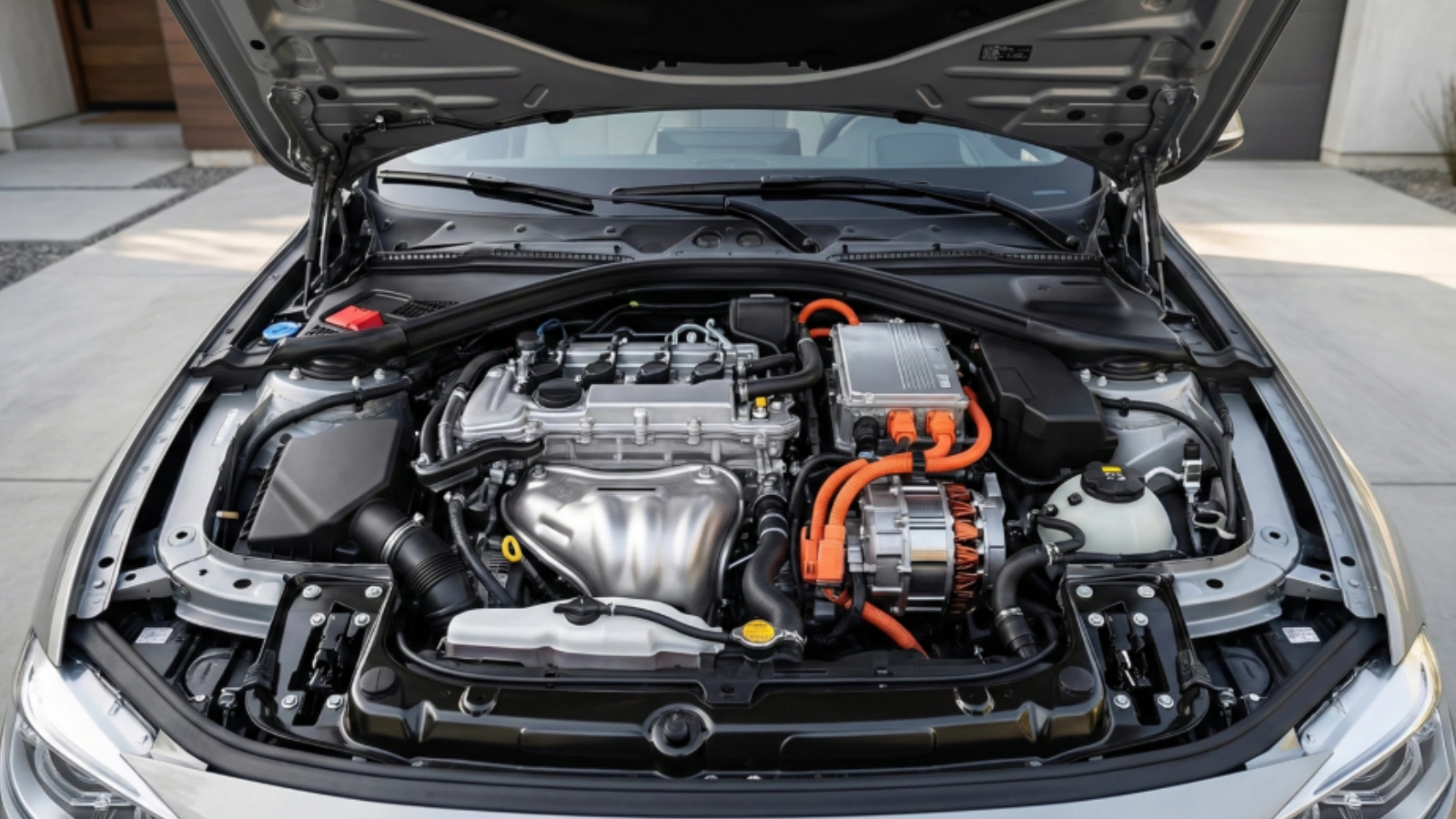
The automotive world is quietly changing gears. While electric vehicles continue to dominate headlines, hybrid cars are becoming the practical choice for drivers who want efficiency without completely leaving behind traditional fuel systems.
But as hybrid technology evolves, so do maintenance needs. Many drivers assume hybrids reduce engine concerns altogether. In reality, the way a hybrid car engine operates introduces an entirely new relationship between fuel, combustion, and long-term upkeep.
Understanding this shift is essential, especially when it comes to fuel system health.
Why hybrid cars are gaining popularity in 2026
In 2026, hybrids sit comfortably between petrol familiarity and electric innovation. Rising fuel costs, stricter emission norms, and improved battery technology have made hybrids more appealing than ever.
Drivers appreciate that hybrids offer better fuel efficiency without range anxiety, reduced emissions in city driving, and seamless switching between electric and petrol power.
For many buyers, a hybrid feels like a sensible transition rather than a radical change. You still refuel as usual, yet enjoy quieter drives and fewer fuel stops. This growing adoption means maintenance conversations are also evolving, particularly around how fuel behaves inside these engines.
How a hybrid engine works compared to a petrol engine
To truly explain a hybrid car, imagine two power sources working together: an electric motor and an internal combustion engine.
In a traditional petrol car, the engine runs continuously whenever the vehicle is moving. Combustion remains relatively stable because temperatures and fuel flow stay consistent.
A hybrid engine explained simply works differently. The electric motor powers the car at low speeds or during traffic. The petrol engine activates only when extra power or charging is required. Energy is recovered during braking and reused.
This constant switching improves efficiency but also changes how fuel burns inside the engine, and that’s where maintenance dynamics begin to shift.
Why hybrid engines start and stop more frequently
One defining characteristic of hybrids is frequent engine cycling. The petrol engine may shut off dozens of times during a single commute.
At traffic lights, in slow traffic, or while coasting downhill, the electric motor takes over. When acceleration is needed, the petrol engine restarts instantly.
While this behaviour saves fuel, it creates operating conditions unlike conventional engines. Instead of running at steady temperatures, hybrid engines repeatedly move between cold and warm states.
This repeated start-stop pattern directly influences combustion quality.
How frequent engine cycling affects combustion stability
Every time an engine restarts, combustion must stabilise again. Fuel injection, air mixture, and ignition timing all need a moment to reach optimal efficiency.
In hybrids, these repeated restarts can lead to incomplete combustion during initial ignition, slightly richer fuel mixtures during warm-up phases, and residual fuel particles that do not fully burn.
Over time, these small inefficiencies accumulate. While modern engineering minimises the impact, fuel cleanliness becomes more critical than ever to maintain smooth performance.
This is why understanding hybrid car maintenance now extends beyond oil changes and battery checks. Fuel quality plays a larger role.
Fuel system challenges unique to hybrid vehicles
Hybrid vehicles introduce fuel system conditions rarely seen in traditional cars.
Because the petrol engine runs less frequently, fuel may remain in injectors longer, temperature cycles vary more dramatically, moisture accumulation risks slightly increase, and deposits can form despite lower fuel consumption.
Ironically, using less fuel does not always mean a cleaner engine. Intermittent operation can allow residues to settle rather than burn away consistently.
These subtle differences redefine what preventive maintenance looks like for hybrid owners.
Deposit build-up risks in hybrid petrol engines
Deposit formation is one of the lesser-discussed realities of hybrid engines.
When engines operate intermittently, fuel injectors and intake valves may not reach sustained high temperatures long enough to naturally clean themselves. Over time, carbon deposits can develop, affecting spray patterns and combustion efficiency.
Symptoms may include reduced mileage consistency, slight hesitation during acceleration, and rough cold starts.
These issues appear gradually, often unnoticed until performance declines.
Keeping the fuel system clean becomes less about repair and more about prevention.
Long-term maintenance considerations for hybrid owners
Owning a hybrid changes maintenance priorities rather than eliminating them.
Long-term care should include monitoring fuel freshness during low-usage periods, regular servicing aligned with manufacturer schedules, paying attention to combustion efficiency rather than just engine wear, and supporting injector cleanliness proactively.
Hybrid owners who focus on preventive fuel care often experience smoother transitions between electric and petrol modes and better long-term efficiency.
How fuel additives support hybrid engine efficiency and clean combustion
This is where modern fuel additives play a meaningful role.
Because hybrid engines repeatedly restart and operate under variable conditions, maintaining clean injectors and stable combustion becomes essential. High-quality fuel additives help clean fuel injectors and combustion chambers, improve fuel atomisation for smoother ignition, reduce deposit formation caused by intermittent engine use, and support consistent engine response over time.
For hybrid drivers, additives are less about fixing problems and more about preserving efficiency from the beginning.
Milex Fuel Additives are designed to support cleaner combustion and fuel system health, helping hybrid engines operate the way they were engineered to, efficiently, smoothly, and reliably across thousands of start-stop cycles.
A small addition to your fuel routine can make a noticeable difference in long-term hybrid performance.
FAQs
Are hybrid cars more expensive to maintain than petrol cars?
Not necessarily. Hybrids often require less brake and engine wear maintenance, but fuel system care becomes more important due to intermittent engine use.
Do hybrid engines wear out faster?
No. In many cases, engines experience less continuous stress. However, proper fuel system maintenance helps maintain efficiency over time.
Does a hybrid car need regular fuel system cleaning?
Yes. Because engines run intermittently, preventive cleaning helps avoid injector deposits and combustion inefficiencies.
Can hybrid cars suffer from low mileage issues?
They can if deposits affect combustion or injector performance. Maintaining fuel quality helps sustain expected efficiency.
How often should hybrid vehicles be serviced?
Follow manufacturer schedules, typically every 10,000 to 15,000 kilometres, while also supporting fuel system health between services.
Related Reads for How Upcoming Hybrid Cars Engine Will Reshape Fuel System Maintenance?
Hybrid engines combine electric systems with internal combustion engines — making fuel quality, deposits, and efficiency even more critical. These reads explore that ecosystem: