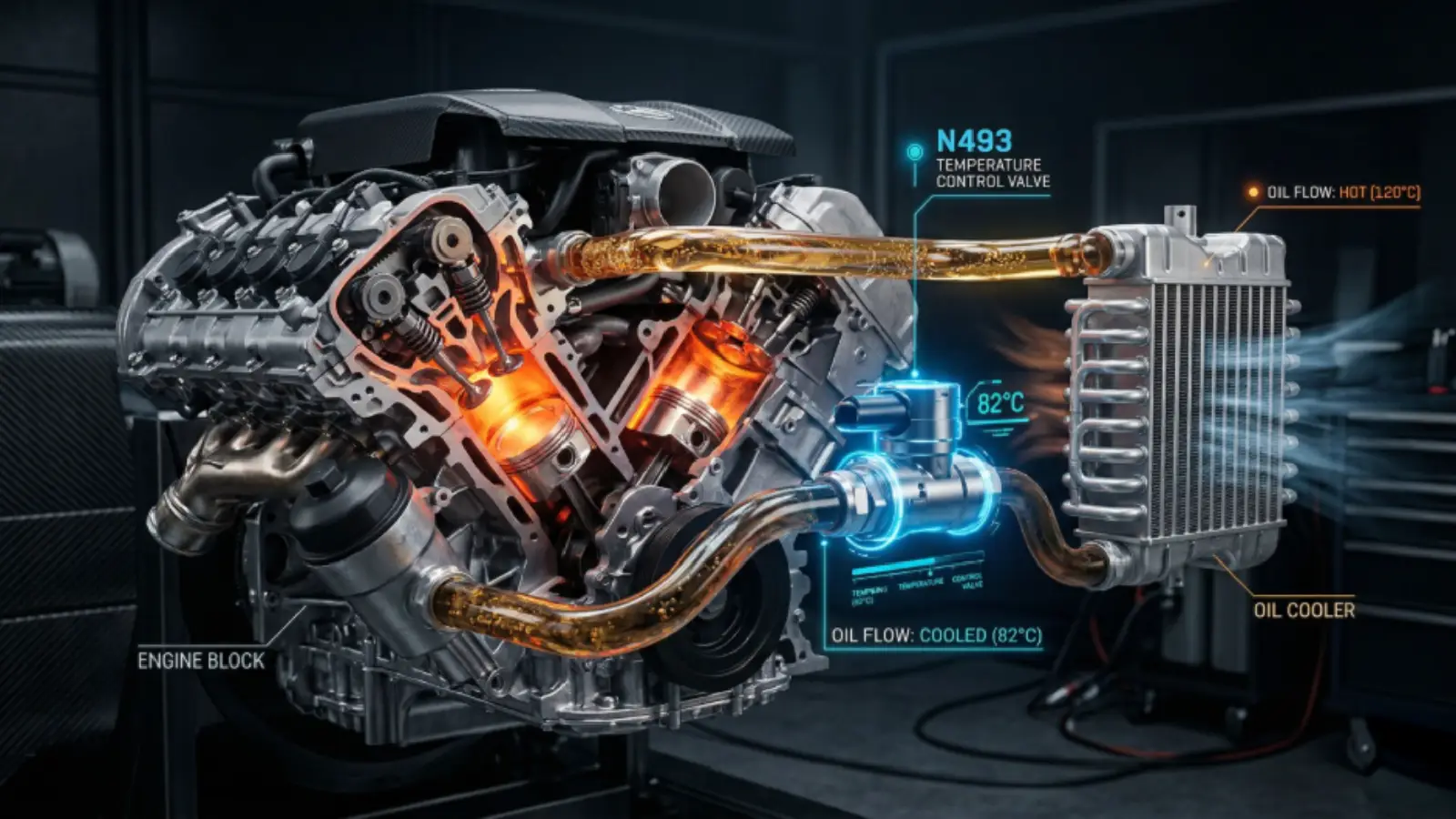
Modern engines are built for power, efficiency, and endurance—but all of that comes with one unavoidable by-product: heat. Left unmanaged, rising temperatures can quietly eat away at performance, fuel efficiency, and even engine life. While most people think of the engine coolant system as the hero here, there is another equally important player working behind the scenes—the engine oil cooler.
Let us break down how this component plays a vital role in keeping your engine running smoothly, and why it matters more than most drivers realise.
What an engine oil cooler is and how it works
An engine oil cooler is essentially a small heat exchanger designed to regulate the temperature of engine oil. It works by passing hot oil through a series of tubes or plates, where heat is dissipated either through air or coolant.
There are typically two types:
- Air-cooled oil coolers, which rely on airflow
- Liquid-cooled oil coolers, which use engine coolant to absorb heat
As oil circulates through the engine, it picks up heat from moving parts. The oil cooler ensures that this heat is reduced before the oil continues its cycle, helping maintain optimal operating temperatures.
How oil cooling systems help control engine heat
While coolant systems focus on the engine block and combustion chamber, oil cooling systems target the lubrication circuit. This dual approach is what keeps engines stable under stress.
When oil temperature rises too much, it begins to lose viscosity, meaning it cannot lubricate as effectively. An oil cooler prevents this by:
- Maintaining oil thickness
- Reducing friction between moving parts
- Preventing thermal breakdown of oil
In high-performance or long-distance driving scenarios, this becomes especially critical.
Common causes of engine overheating in cars and bikes
Understanding engine overheating causes helps you see why oil cooling matters. Some of the most common reasons include:
- Low or degraded engine oil
- Inefficient combustion
- Blocked airflow or radiator issues
- Overloading the engine
- Poor maintenance habits
In many cases, overheating is not caused by just one factor, but a combination of stressors building up over time.
How engine oil helps in cooling and lubrication
Engine oil does more than just lubricate—it actively helps in cooling. As it flows through the engine, it absorbs heat from pistons, crankshafts, and other moving parts.
Its two key roles are:
- Lubrication: Reducing wear and tear by minimising friction
- Heat absorption: Carrying heat away from critical components
However, when oil becomes too hot, it cannot perform either function effectively. That is where an engine oil cooler becomes essential.
Oil cooling system vs engine coolant system: key differences
Although both systems manage temperature, they serve different purposes:
- Engine coolant system
Works around the engine block and radiator to regulate overall temperature
- Oil cooling systems
Focus specifically on maintaining oil performance and stability
Think of it this way: coolant keeps the engine from overheating globally, while oil cooling ensures the internal mechanics remain protected.
Both systems must work together for optimal performance.
Benefits of using an engine oil cooler for performance
Adding or maintaining a well-functioning oil cooler can significantly enhance engine performance. The benefits include:
- Improved engine longevity
- Consistent lubrication under stress
- Better thermal stability during long drives
- Reduced risk of engine damage
- Enhanced performance in high-temperature conditions
For vehicles that operate in hot climates or under heavy loads, an oil cooler is not just beneficial—it is almost essential.
Signs your engine may be overheating
Catching early signs of overheating can save you from costly repairs. Watch out for:
- Rising temperature gauge
- Burning smell from the engine bay
- Reduced engine performance
- Knocking or unusual noises
- Smoke from under the bonnet
Ignoring these signs can lead to severe damage, including warped components or engine failure.
How fuel additives help maintain combustion efficiency and reduce engine stress
While cooling systems manage heat externally, the root cause often lies in combustion efficiency. Poor combustion leads to excess heat, carbon deposits, and engine strain.
This is where Milex Fuel Additives step in.
High-quality fuel additives help:
- Improve combustion efficiency
- Reduce carbon build-up
- Maintain cleaner fuel injectors
- Lower engine stress and heat generation
By ensuring smoother and more complete fuel burning, they indirectly reduce the burden on both engine coolant and oil cooling systems. The result is a more balanced, efficient engine that runs cooler and performs better over time.
Final thought
Engine health is not about one system doing all the work—it is about multiple systems working in harmony. From coolant to oil, and from airflow to fuel quality, every element contributes to temperature control and performance.
If you are looking to support your engine from the inside out, start with smarter combustion. Choose MilexGlobal to help your engine run cleaner, cooler, and stronger—every single drive.
FAQs
Do all cars come with an engine oil cooler?
No, not all cars have an oil cooler. They are more common in high-performance vehicles, heavy-duty engines, and some motorcycles.
Can an oil cooler reduce engine wear?
Yes, by maintaining optimal oil temperature, it ensures proper lubrication, which reduces friction and wear.
What happens if engine oil temperature gets too high?
The oil loses viscosity, leading to poor lubrication, increased friction, and potential engine damage.
Is engine overheating always related to coolant issues?
Not always. While coolant plays a major role, factors like poor oil performance and inefficient combustion can also cause overheating.
How do you know if your oil cooling system is working properly?
Stable oil temperature, smooth engine performance, and absence of overheating signs indicate a healthy system.
Can overheating affect fuel efficiency?
Yes, excessive heat can disrupt combustion efficiency, leading to higher fuel consumption and reduced performance.
Related Reads for How Engine Oil Coolers Help Manage Engine Temperature and Performance
If you’re exploring how temperature control impacts engine efficiency, longevity, and performance, these related articles will give you a broader understanding of fuel quality, deposits, and overall engine health: